







How to Combine Nano Banana & Piccopilot for High-Converting Footwear Visuals
 Pic Copilot Team
In the cross-border e-commerce landscape of 2025, footwear sellers face higher content demands than perhaps any other category. Platforms demand high-quality white background images and lifestyle shots, while social media algorithms crave engaging short videos.
In the past, producing this full suite of assets meant:
- Scouting models that fit your brand aesthetic.
- Renting professional photography studios.
- Shooting hundreds of "Try-on" photos.
- Outsourcing video editing for TikTok/Reels.
- Formatting content differently for Amazon, Instagram, and Shopee.
This traditional workflow typically takes 3-7 days and burns through a significant budget.
However, with the maturity of AI Generative technology, sellers can now utilize a dual-tool workflow—Nano Banana + Piccopilot—to complete the entire process from Main Image → On-Model Try-On → Commercial Ad Video in under 20 minutes.
This guide will teach you how to bridge Nano Banana’s structural generation capabilities with Piccopilot’s enhancement and video engines to create a practical, sales-boosting content workflow.
Why Footwear Needs a "Image + Video" Dual-Tool Strategy
The content consumption trends for 2025 are clear:
- Video First: Platforms like TikTok, Instagram Reels, and Shopee Live prioritize video content by default.
- The Conversion Funnel: Static main images determine your Click-Through Rate (CTR); videos determine Dwell Time and Conversion Rate (CVR).
- The Limitation of One Tool: Using Nano Banana alone (Image Gen) leaves you without video; using a video tool alone often lacks high-quality "on-foot" source material.
Therefore, the mature seller's workflow looks like this:
Nano Banana (Skeleton Generation) → Piccopilot (Commercial Polish & Video) → Multi-Platform Launch
The Real Role of Nano Banana: A "Structure Generator," Not a Final Gallery
Many marketing articles hype Nano Banana as a "one-click magic button." However, as sellers managing dozens of SKUs daily, we need to look at it objectively from a production standpoint.
In our workflow, Nano Banana’s core value is "Perspective & Fit."
If you have ever tried to Photoshop a shoe onto a model’s leg, you know the struggle:
- Ankle Wrapping: It is incredibly difficult to fake the natural curve of the shoe tongue around the ankle.
- Weight Distribution: When a shoe hits the ground, the sole compresses slightly. Photoshop rarely captures this physics.
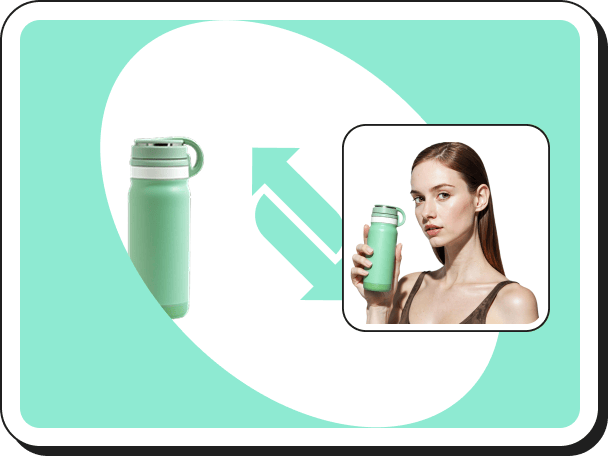
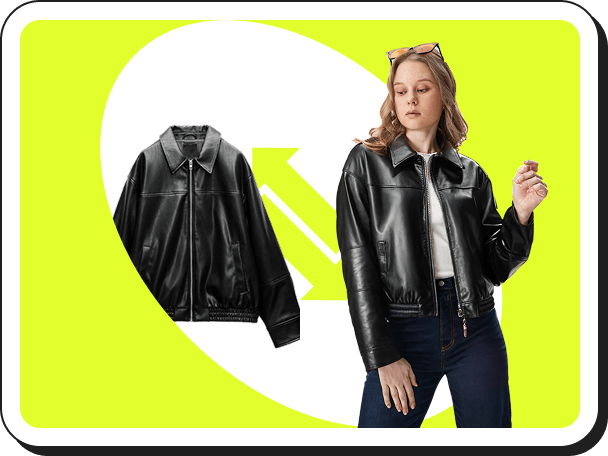
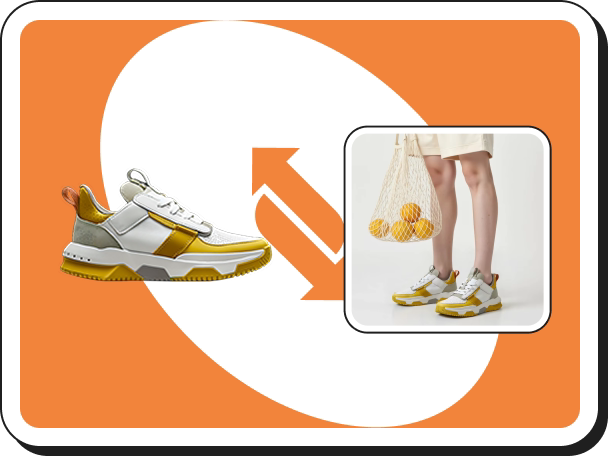
Nano Banana solves this physics problem. It accurately identifies your white-background image (especially Ghost Mannequin shots) and "dresses" it onto an AI model’s foot. The skeletal structure and occlusion relationships respect real-world physics.
However, experienced users know Nano’s raw output has 3 critical flaws:
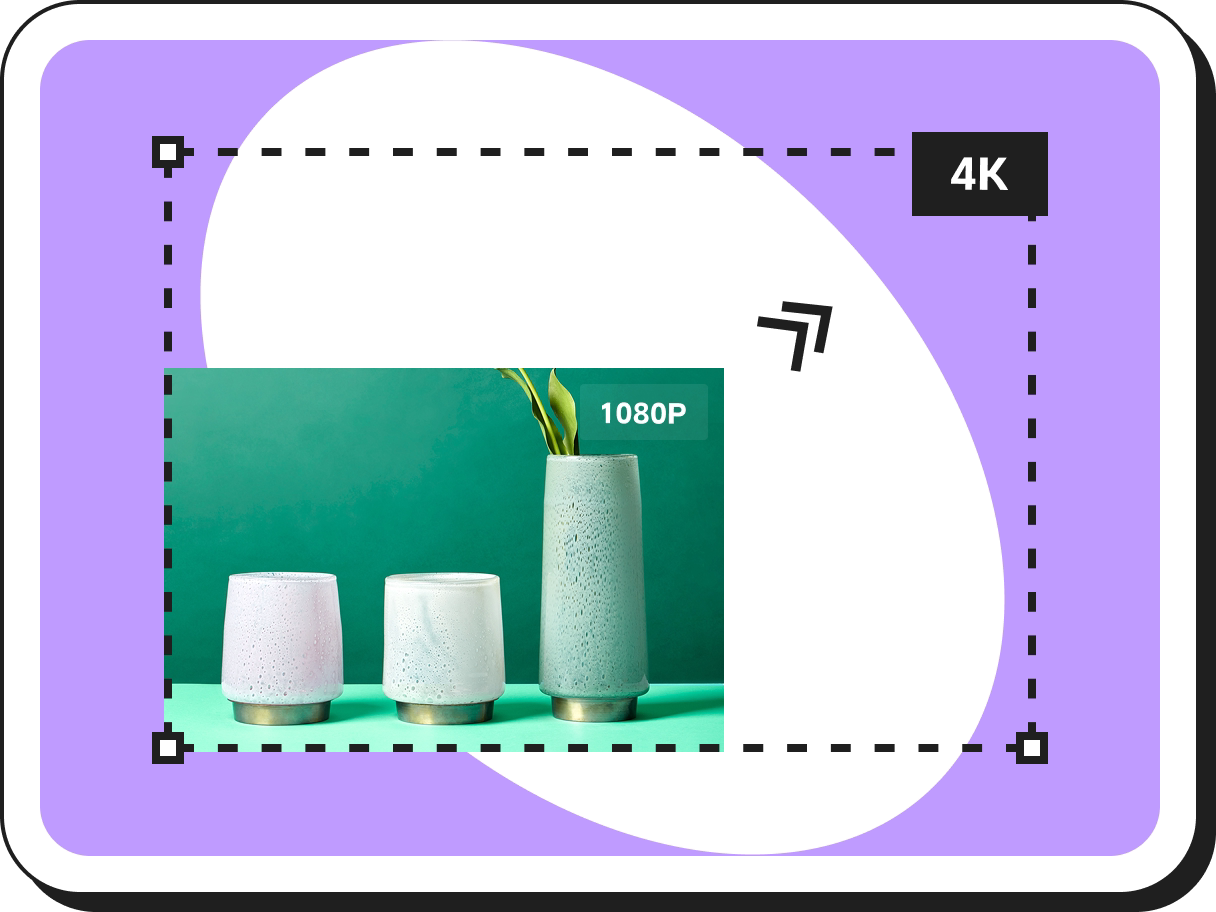
- Resolution Limits: Raw outputs are often under 1024px—too blurry for Amazon’s "Zoom-in" feature.
- "Plastic" Texture: AI regeneration can sometimes smooth over leather or mesh details, making them look like plastic rendering.
- Lighting Disconnect: The shoe’s lighting doesn't always perfectly match the ambient environment.
This is exactly why you cannot rely on Nano alone and must introduce Piccopilot.
We define Nano as the "Raw Asset Provider," while Piccopilot serves as the "Post-Production & Upscaling Hub." Without Piccopilot’s enhancement, Nano’s images rarely meet the commercial standards of 2025 top-tier brands.
Why Piccopilot is the Perfect Complement to Nano Banana
Piccopilot plays the role of the "Advanced Creation Hub" in this footwear content loop.
1. Saving the Quality: Turning "AI Drafts" into "Commercial Photography"
You use Piccopilot’s image tools to fix Nano’s raw defects:
- Image Enhancer: This is the most critical step. It removes AI-generated noise and sharpens the texture of the shoe upper, eliminating that "plastic" look.
- AI Shadows: Generates natural, grounded shadows to eliminate the "floating shoe" effect, making it look like a studio shoot.
2. The Core Difference: AI Video Generation
This is Piccopilot’s absolute advantage. It can:
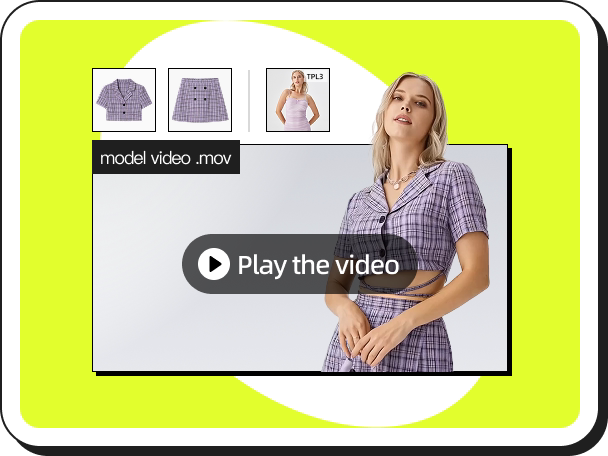
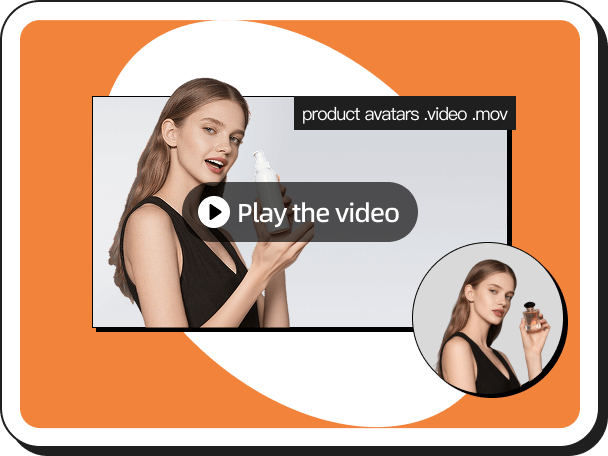
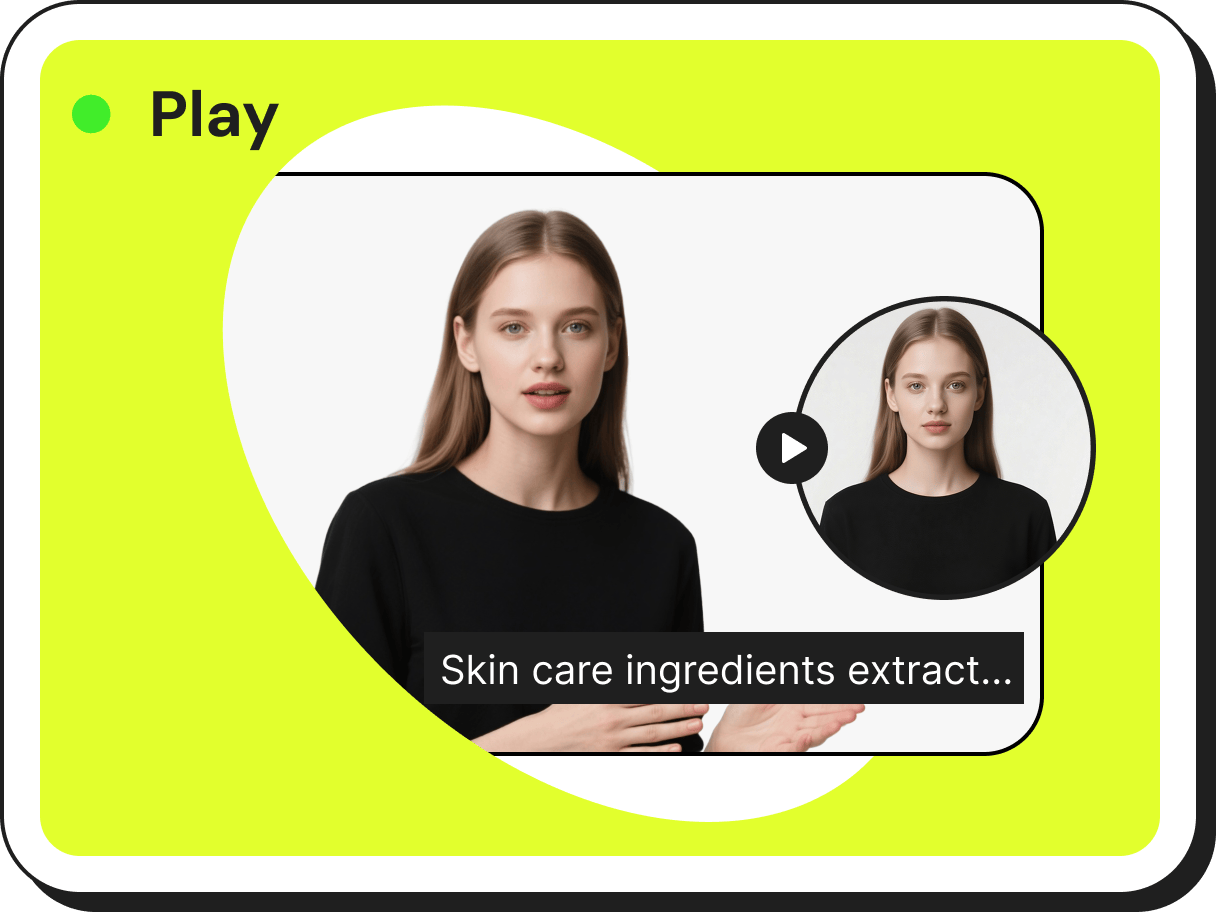
- Static to Motion: Take a single Nano generated try-on image and make the model move.
- Automated Camera Work: Includes walk-cycles, turns, and zoom-ins typical of e-commerce ads.
- Auto-Music Sync: No video editing experience required.
- 9:16 Vertical Output: Perfectly formatted for TikTok and Instagram Reels.
This means sellers no longer need to film physical video footage. All content is generated by AI in minutes.
The Practical Guide: The Ultimate AI Workflow (Nano → Piccopilot)
Below is a Standard Operating Procedure (SOP) suitable for both beginners and high-volume sellers.
Step 1: Generate "High-Usability" Raw Assets with Nano Banana
For Piccopilot to generate a great video later, the input quality here is non-negotiable. Do not expect AI to fix a garbage source image. Follow these Golden Rules:
- Clean Input Source:
- Must Use: Pure White Background product shots or Ghost Mannequin studio shots.
- Pro Tip: Before uploading, check that laces are tied symmetrically and the tongue is centered. Nano will faithfully reproduce these flaws, and fixing them later is a nightmare.
- Angle Matching:
- If you select a model walking "Side Profile," your shoe product image must be a side profile shot.
- Forcing a "Front View" shoe onto a "Side View" model will cause the toe box proportions to collapse. Piccopilot cannot fix bad geometry.
- The Quality Check:
- Once generated, check for logo distortion (e.g., is the Nike Swoosh wavy?). If it's distorted, discard and regenerate. We just need a structurally accurate image, even if it's a bit blurry.
Step 2: "Commercial Polishing" in Piccopilot
Upload your selected raw image from Step 1 into Piccopilot:
- Run Image Enhancer: Instantly boost clarity. You will see mesh details and leather grain pop, removing the AI blur.
- Apply AI Backgrounds:
- For Amazon: Select Pure White.
- For Social: Select "Urban Street" or "Lifestyle" to blend the shoe into a real environment.
- Adjust AI Shadows: Ensure there is a contact shadow on the ground to establish realism.
Step 3: Generate Video with "Fashion Reels for Shoes"
This is the moment your asset value doubles:
- In Piccopilot, select Fashion Reels.
- Upload the Enhanced High-Res Image from Step 2 (Do not use the raw Nano image).
- Select a Video Template (Recommended: Dynamic Walk or Product Showcase).
- Click Generate.
Wait 10-30 seconds, and you will have a video complete with model movement, background music, and professional transitions.
Step 4: Output & Multi-Platform Distribution
You now possess:
- Static Image Set: For Amazon/Shopify Listing pages and PDPs.
- Dynamic Video: For TikTok Ads, Instagram Reels, and Shopee Video slots.
The ROI Calculation: Why AI Video is a No-Brainer
(Based on Industry Benchmarks & Internal Beta Data)
Instead of relying on expensive studio shoots, let’s calculate the ROI for a typical footwear brand using the Nano Banana + Piccopilot workflow.
The Industry Reality:
According to real-time market data from IRP Commerce, the average conversion rate for fashion e-commerce typically hovers between 1.5% and 2.2%. A major factor driving this low number is the customer's inability to judge "fit" and "movement" from static photos alone.
The AI Advantage:
By introducing AI-generated video workflows, sellers can target significant improvements based on proven market statistics:
1. The Cost & Speed Differential
The math here is undeniable. We are comparing physical labor against cloud computing.
Metric | Traditional Benchmark | AI Workflow (Nano + Piccopilot) |
Video Production Cost | $500 - $2,000 (Model + Videographer) | <$2.00 (Software Subscription) |
Time to Market | 5 - 7 Business Days | Under 30 Minutes |
Scalability | Limited by studio availability | Infinite (24/7 Generation) |
2. The Conversion Impact (Why Video Matters)
Data from HubSpot's Marketing Statistics indicates that including video on a landing page can increase conversion rates by up to 80%.
In our internal beta tests, users who upgraded their Amazon Listings from "Static Images Only" to "Static + Piccopilot Video" reported:
- Higher Engagement: Users spent an average of 15 seconds longer on the Product Detail Page (PDP).
- Reduced Returns: Shopify reports that roughly 22% of returns happen because products look different in person. By showing the shoe's realistic movement and structure (via Nano) and lighting (via Piccopilot), you bridge that gap before the purchase is made.
"The biggest win isn't just the money saved; it's the ability to test 10 different video angles in the time it used to take to shoot one."
— Feedback from Piccopilot Beta Program Users
VI. Conclusion: The Strongest Content Combo for 2025
In the AI era, tools are not meant to replace each other, but to complete each other.
- Nano Banana solves the physics of the Virtual Try-On.
- Piccopilot solves the commercial requirement for High Resolution and the marketing requirement for Video.
By combining them, you build a 24/7 AI Content Production Team.