







AI Virtual Try-On for Fashion Ecommerce Product Pages: The Ultimate Guide to Boosting Conversions and Slashing Returns
 Pic Copilot Team
In the high-stakes world of fashion ecommerce, your Product Detail Page (PDP) is the moment of truth. It is the digital fitting room, the salesperson, and the checkout counter all rolled into one.
But for years, fashion retailers have been plagued by two persistent problems: the staggering cost of producing high-quality model photography and the profit-killing reality of return rates.
You know the drill. You source a fantastic new line of apparel. To sell it, you need models. But hiring professional models, photographers, and renting studios takes weeks and costs thousands. So, you settle for "flat lays" or ghost mannequin shots. The result? Customers can’t visualize the product, conversions stagnate, and returns pile up because the item "didn't look like the picture."
Enter the game-changer: AI Virtual Try-On technology.
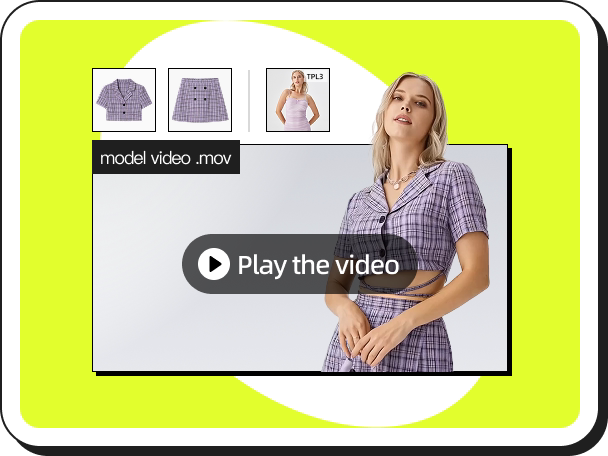
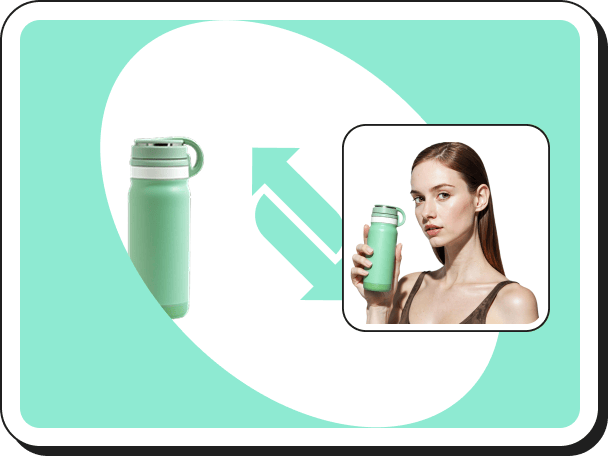
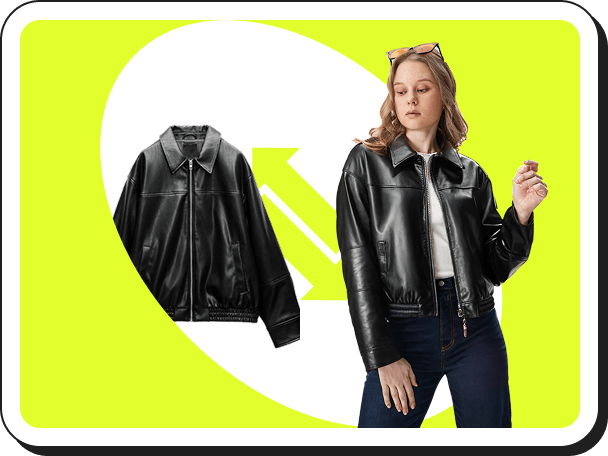
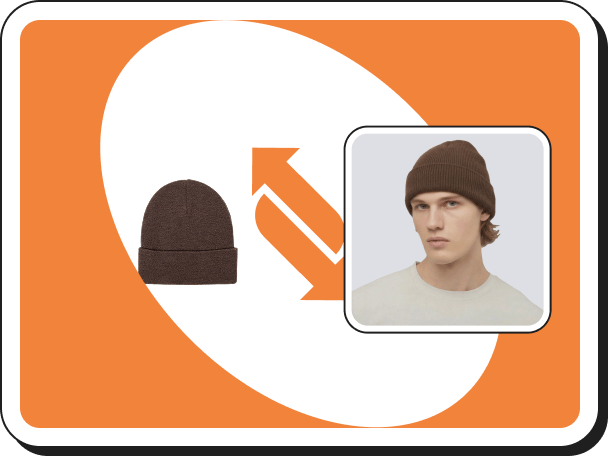
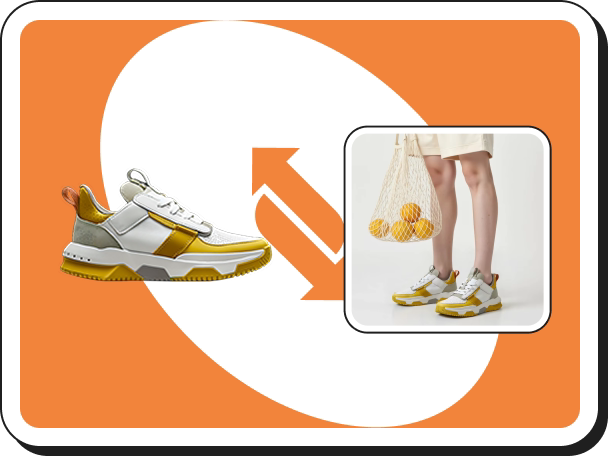
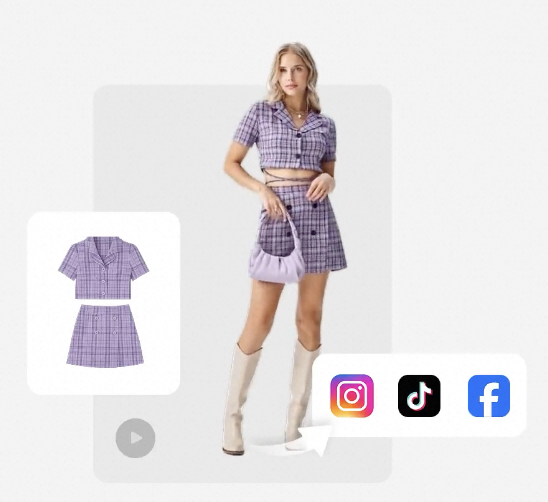
We aren't talking about gimmicky filters for Snapchat. We are talking about professional-grade AI virtual try-on clothing tools designed specifically for merchants. These tools allow you to take a simple photo of a garment and generate hyper-realistic images of diverse fashion models wearing your product—in seconds.
This guide will explore how transforming your virtual try-on clothes website strategy can skyrocket your conversion rates, dramatically reduce returns, and save you a fortune on photography.
The "Imagination Gap": Why Traditional PDPs Fail
Before we dive into the solution, we must understand the problem. The core issue with selling fashion online is the "Imagination Gap."
When a customer walks into a brick-and-mortar store, they can touch the fabric, hold the item up to their body, or head to the fitting room. Online, they are separated from the product by a screen.
If your PDP only features a flat lay (clothing on a table) or a mannequin shot, you are asking the customer to do heavy cognitive lifting. They have to mentally "unfold" the shirt, imagine it on a human body, and guess how it drapes.
The data is clear:
- 62% of US digital shoppers say product photos are "very important" when making a purchase decision.
- 77% of online shoppers rely on product photos when deciding on a potential purchase.
If you are running a virtual try-on for online store, relying on static, lifeless images is a fast track to abandoned carts. Customers don't buy clothes; they buy the look, the lifestyle, and the feeling that the clothing promises. Only a human model can convey that emotion.
But traditionally, "humanizing" your catalog was too expensive. Until now.
What is AI Virtual Try-On for Merchants?
It is important to clarify what we mean by "AI Virtual Try-On" in this context.
We are not talking about the consumer-facing widgets where a shopper uploads a grainy selfie to see a cartoonish overlay. We are talking about B2B Generative AI—a powerful virtual try-on clothes software for the backend of your business.
How it works for the seller:
- Upload: You take a photo of your apparel (on a mannequin or a flat surface).
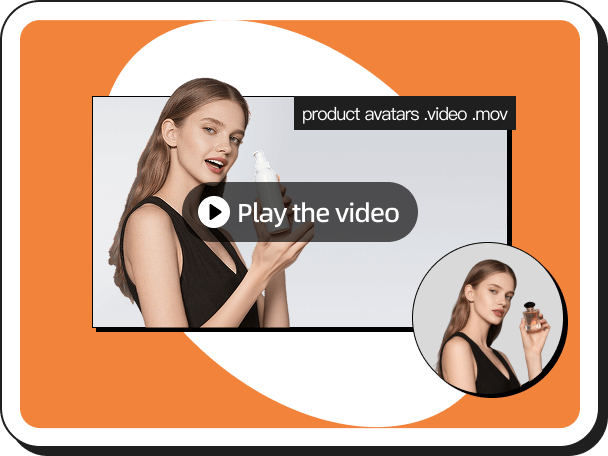
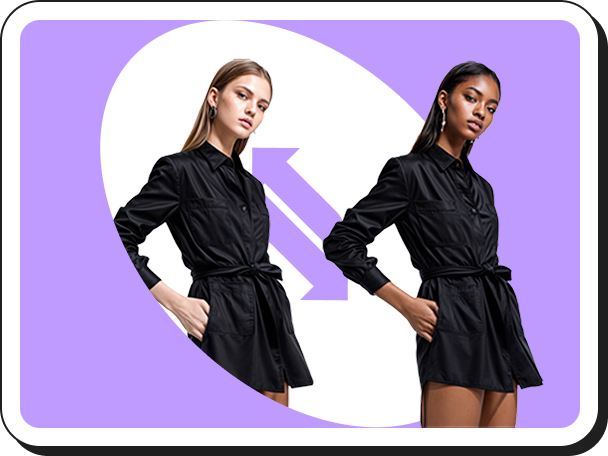
- Select: You choose a model from a diverse digital library (different ethnicities, body shapes, ages).
- Generate: The ai virtual try-on clothing tool uses advanced diffusion models to wrap the garment around the model, realistically rendering fabric physics, lighting, and shadows.
The result is a studio-quality image that looks like it cost $5,000 to produce, created in under 60 seconds for pennies.
1. How AI Virtual Try-On Skyrockets Conversion Rates
Conversion rate optimization (CRO) is often about removing friction and increasing desire. Here is how AI-generated model imagery does the heavy lifting on your PDP.
The Power of Social Proof and Relatability
Representation matters. If you sell globally, using a single, standard model for all regions might alienate potential buyers. A virtual try-on clothes website empowered by AI allows you to localize your content instantly.
- Selling to Japan? Generate images with Asian models.
- Selling to California? Use sun-kissed, diverse models in outdoor settings.
- Selling to Europe? Switch to a chic, minimalist aesthetic.
When a customer sees a model that "looks like them" wearing the product, the psychological distance to purchase shortens. It builds instant trust.
Visualizing the "Drape" and "Fit"
Flat lays flatten desire. A dress might look boxy on a table but have a beautiful silhouette when worn. AI technology understands the physics of fabric. It shows how the sleeve falls on a shoulder or how a skirt cinches at the waist.
This visual clarity answers the customer's subconscious question: "What does this actually look like on a person?" When you answer that question visually, the "Add to Cart" button becomes irresistible.
Creating a Lifestyle Vibe
Modern ai virtual try-on clothing tools don't just generate models; they generate scenes. Instead of a sterile white background, you can place your model in a coffee shop, a city street, or a beach. This contextualizes the product, selling a lifestyle rather than just a piece of fabric.
The Hidden Profit Center: Reducing Return Rates
Increasing sales is great, but keeping the money is better. Returns are the silent killer of fashion ecommerce, with average return rates hovering around 20-30% (and up to 50% for high-fashion items).
The number one reason for returns? "Item didn't look like the photo" or "Fit wasn't what I expected."
Managing Expectations with Visual Accuracy
Traditional Photoshop is often misleading. Designers might pin clothes behind a model to make them look tighter, leading to disappointment when the customer receives the loose-fitting real item.
High-end virtual try-on clothes software preserves the integrity of the original garment. It maps the actual proportions of your flat lay onto the AI model. This means the image the customer sees is a much truer representation of the product's cut and fit than a heavily retouched studio photo.
The "Size Inclusivity" Advantage
This is arguably the most powerful way to reduce returns.
In a traditional shoot, you hire one model (usually size S). A customer who is a size XL has to guess how that item will look on her body. Often, she guesses wrong, buys it, hates the fit, and returns it.
With AI, you can take one garment photo and generate it on:
- A Petite model.
- A Plus-size model.
- An Athletic build model.
By displaying these variations on your PDP, you help customers of all sizes visualize the product accurately. When customers have a realistic reference point for their body type, they make smarter buying decisions—and they keep what they buy.
Operational Efficiency: The End of the $10,000 Photoshoot
For drop shippers, POD (Print on Demand) sellers, and fast-fashion brands, speed is life. Trends move fast. If you wait two weeks for samples to arrive and another week for a photoshoot, you’ve missed the trend.
The Old Workflow:
- Design product.
- Wait for physical sample.
- Book model/photographer/studio.
- Shoot day (hoping the lighting is good).
- Wait for photo editing.
- Upload to site.
- Total Time: 3-4 Weeks.
- Total Cost:2000-5000$
The AI Workflow:
- Photograph the sample (or even the manufacturer's raw image).
- Upload to your tool.
- Generate 10 different looks.
- Upload to site.
- Total Time: 1 Hour.
- Total Cost: 7.9 $/month
This efficiency allows you to test products aggressively. You can list 50 new designs in a day to see what sells without risking inventory or photography budgets.
4. How to Implement AI Virtual Try-On on Your Store
You might be thinking, "This sounds complicated. Do I need 3D files? Do I need coding skills?"
The beauty of modern ai virtual try-on clothing tools is their simplicity. They are built for ecommerce managers, not tech wizards.
Step 1: Quality Input
Start with a decent photo of your clothing. It doesn't need to be professional, but it should be well-lit. A "ghost mannequin" shot (where the clothes are on a clear form) works best, but flat lays work too.
Step 2: Define Your Brand Aesthetics
Inside the tool, choose the models that represent your target audience. If you are selling streetwear, choose edgy, youthful models. If you are selling business casual, look for more mature, professional avatars.
Step 3: Generate and A/B Test
Don't just guess what works. Generate two versions of the main image—one with a close-up studio background and one with a lifestyle outdoor background. Run an A/B test on your Shopify or Amazon listing. You will likely find that the AI-generated lifestyle image drives a higher Click-Through Rate (CTR).
The Future of the Virtual Try-On Clothes Website
The ecommerce landscape is shifting from "Search and Browse" to "Discover and Experience."
Customers are no longer satisfied with static grids of images. They demand engagement. By integrating AI-generated model imagery into your virtual try-on for online store strategy, you aren't just cutting costs; you are elevating your brand perception.
You are telling your customers: "We see you. We understand your style. And we want to show you exactly how this looks on someone just like you."
Why Wait? The Technology is Here.
The barrier to entry for top-tier fashion photography has crumbled. You no longer need a Vogue budget to have Vogue-quality visuals.
Whether you are a startup brand trying to look established, or a high-volume seller trying to slash your photography overhead, AI virtual try-on is the lever you need to pull.
Ready to transform your Product Detail Pages?
Stop letting flat images flatten your sales. Stop letting returns eat your profits.
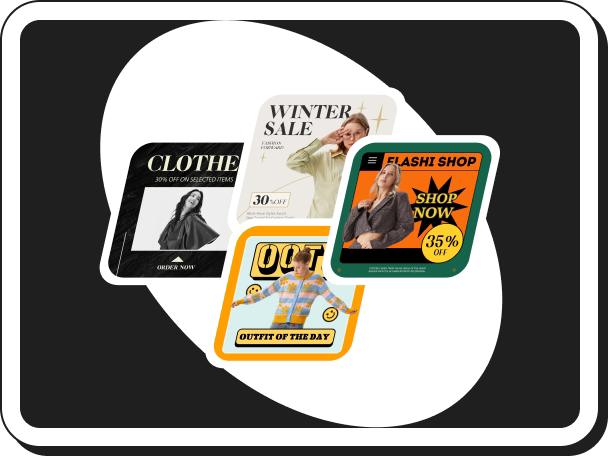
Experience the power of AI commercial photography today. Pic copilot allows you to turn simple cloth photos into stunning, high-converting model showcases in seconds.
👉 [Click here to try our AI Virtual Try-On Tool for Free] and see the difference for yourself.