










Can AI Really Replace Fashion Product Photography for E-commerce Sellers?
 Pic Copilot Team
What is fashion photography?
The primary purpose of fashion photography is to showcase how clothes look in real life. It involves capturing how garments, shoes, and accessories appear, fit, and feel when worn. This genre not only highlights what a product is but also demonstrates its appearance when worn. In e-commerce, fashion photography is more than just art; its main purpose is to help customers understand the product and feel confident in their purchase. Effective fashion product photos intuitively answer questions that buyers might not even explicitly ask: How long is this jacket on a real person? Does this dress contour the waist or hang loosely? Is this shirt stiff or relaxed? Does this look cheap, or is it well-crafted? Good photography subtly reassures rather than loudly states, quietly eliminating doubts.
Fashion photography helps online stores:
• Build trust with customers
• Cut down on returns caused by unclear expectations
• Increase click-through rates and conversions
• Build a stronger brand identity over time
There are many ways to take fashion photos these days, such as traditional photo shoots, in-house photography, and AI-assisted fashion photography, which uses virtual models or background replacement. The most important thing is not how the picture is made, but whether it accurately and honestly shows the product.
What Fashion Photography Really Does for Online Shopping?
Fashion photography has always been a necessary cost for people who sell clothes, shoes, or accessories online. The goal is to take clear pictures of products, models, and people living their lives. This need has not gone away, but the money issues around it have changed. Fashion photography is very important in e-commerce because customers can't touch, try on, or feel the product. Images have to take the place of real-life experiences. This is why fashion photography has a direct impact on the conversion rate, return rate, and trust of customers.
It's important to know what AI really does in e-commerce before thinking about using it instead of fashion photography. In this case, photography isn't about being creative; it's about making things less uncertain. When customers shop online, they can't feel the fabric, try on the fit, or check the quality in person. Fashion photos help us see the answers to these questions.
In fact, good e-commerce photography builds trust. Customers may hesitate, return items more often, and be unhappy with their purchases if the pictures are bad or unclear.
Why traditional product photography is no longer possible?
Traditional product photography was made for a slower retail environment, where brands would release seasonal collections and each item would be on sale for months or even years. In this situation, the costs of photography could be spread out over time. E-commerce works differently now. A lot of sellers test their products quickly. Some sell for weeks, while others fail right away. Putting thousands of dollars into a professional photoshoot without knowing if there is a market for it is a bad idea.
Sellers are thinking about fashion photography again because of this mismatch, not because photography has lost value. It's being used at the wrong time.
Fashion Photography Is a Multiplier, Not a Filter
Many sellers often misunderstand what photography is really for. Instead of deciding if a product will sell, fashion photography helps show customers whether a product they’re already interested in looks trustworthy. This distinction is crucial because photography mainly boosts existing demand rather than creating it. When sellers try to use photography as a way to “test” if a product has demand, they’re using an expensive tool for the wrong purpose. At that early stage, the product’s success is still uncertain, and heavy investments without enough certainty can actually increase risk. That’s why sellers sometimes feel disappointed with photography. It’s not because photography doesn’t work, but because it’s being asked to do something it wasn’t meant for. It is easy to say that fashion photography is expensive. But cost alone is not the real issue. The real issue is when the cost is incurred. Spending money after a product has proven itself is an investment. Spending money before that point is speculation.
In the past, sellers could afford to speculate more. Product lifecycles were long enough that even mediocre items might eventually sell. Today’s ecommerce environment does not allow for that luxury. Speed punishes hesitation, but it also punishes waste.
When AI product photography is really useful:
- Testing and Validating Products
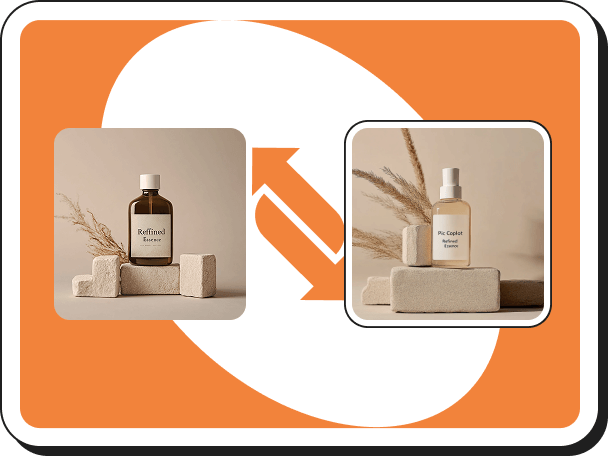
Before a product shows that there is demand for it, sellers mostly need speed and volume. At this point, AI tools like photo AI generator, best AI image generator free, or AI model generator are usually enough. AI-generated images help sellers figure out click-through rates, engagement, and basic interest without spending a lot of money. - Taking pictures of clothes without models
Most sellers can't afford to hire models for every SKU. That's why more people are looking for clothing photography without models and AI fashion models. AI lets sellers show clothes on virtual models, which cuts costs and keeps listings consistent. - Editing and removing the background
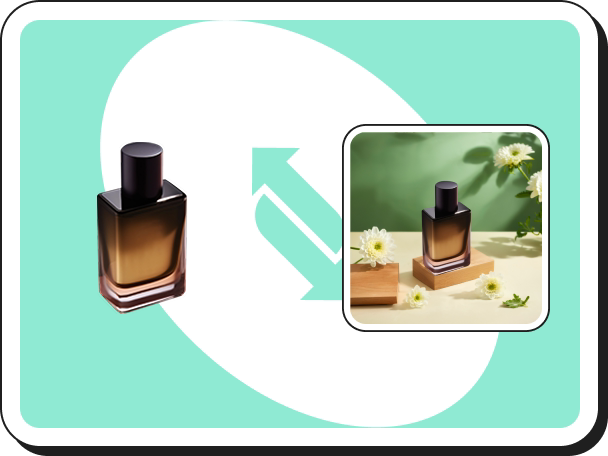
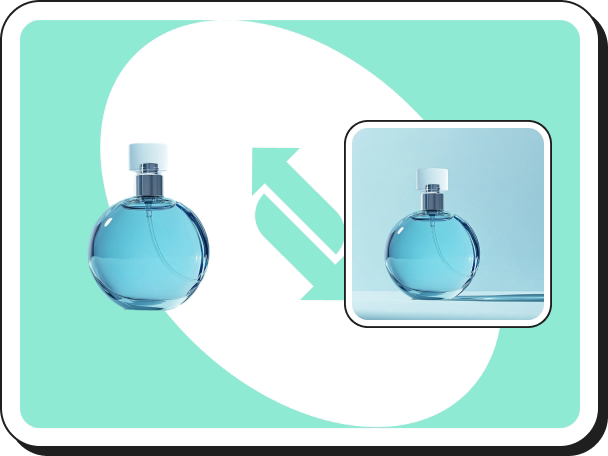
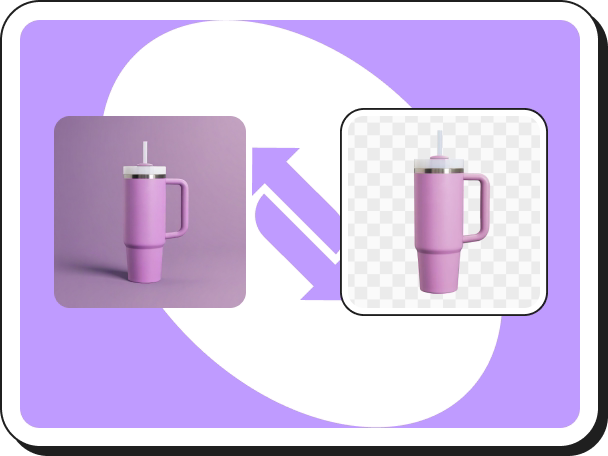
AI background changer, free background eraser tool, Photoroom bg remover, and remove iPhone background are all standard tools for editing backgrounds in e-commerce photography. These tools don't take the place of photography; they make it easier.
Fashion photography is no longer a simple yes or no choice:
Most people who want fashion photography don't question whether or not visuals are important; they just want to know where to spend their money. Some old articles that compare traditional photography to AI are wrong. The truth is that sellers aren't picking sides; they're just using their resources better. Fashion photography is at its best when it helps people feel good about a product instead of trying to make it from scratch. Hiring a professional fashion photographer is still one of the best things you can do if your product is already popular, selling well, fits with your brand, or has long-term value. But if a product hasn't been tested, has a short lifespan, or is just one of many similar items, spending a lot of money on photography too soon can often lead to extra costs. Ecommerce isn't killing fashion photography; it's just changing when and why people use it. Sellers are now using AI tools more and more to test new products, make sure there is demand, and move quickly. They only use professional fashion photography for products that really need it. So, you don't have to give up fashion photography. You shouldn't use it as a default anymore.
It used to be easy: each item had to have its own photo shoot. If you were focused on ecommerce, you would hire models, rent a studio, and take pictures of each SKU like they were a famous person. In today's world, that way of thinking doesn't work anymore. The life cycles of products are getting shorter, trends change quickly, and there are more SKUs than ever before. A lot of products only get a quick test, and a lot of them never get big enough to be sold.
Fashion photography and modern ecommerce don't have to be enemies, and this article doesn't want to stop you from taking pictures. The change isn't in how important photography is, but in how sellers should use their resources more wisely in a market that changes quickly and isn't always predictable.
This is the first big change in how sellers think: fashion photography is no longer a simple yes-or-no choice. Most sellers don't ask if visuals are important because they already know they are. The real, more difficult question they have to answer is: Where should I put my money, and where should I be careful? This isn't just a problem with photography; it's also a problem with managing resources. A lot of talks about this wrongly frame it as a fight between AI and traditional photography, which is not true. Sellers are not taking sides; they are working in a market that needs speed, flexibility, and constant testing. AI didn't take the place of fashion photography; it came about because sellers needed a way to lower their risk before making a big investment. AI is not meant to replace good methods; it is meant to deal with uncertainty. It's important to know the difference, or else sellers might put too much money into something too soon or pull back too much, which can hurt trust.
Why sellers think they have to choose between AI and photography?
This is when AI came up in the conversation. AI tools didn't become popular all of a sudden because sellers stopped caring about quality. Sellers needed a way to move faster and fail cheaper, so they became popular. AI lets you try things out for cheap, which photography can't do. This is how AI came up in the conversation. AI tools didn't become popular all of a sudden because sellers stopped caring about quality. They became popular because sellers needed a way to move faster and lose less money. AI can do something that photography can't: it lets you try things out for cheap.
When you take away the hype, the difference becomes clear. AI is very good at dealing with uncertainty. Fashion photography is great at making things more certain. AI helps you test cheaply when you don't know what people want. When demand is proven, photography helps you grow your business with confidence. So, sellers shouldn't ask, "Do I still need photography?" The real question is: When does a product deserve to be photographed?
A good way to think about fashion photography today is to see it as a reward for doing well, not as a requirement for taking part. Not all products need the same amount of visual attention. That doesn't mean you aren't ambitious; it means you are disciplined.
Fashion photography is still very important for online shopping. But its worth depends on when and why you want it. When used correctly, it builds trust and leads to more success. It wastes resources and makes people angry when used too soon. Next, we'll take a closer look at how AI fits into this new model for allocating resources and how sellers can use AI and photography together without losing trust or brand value.
Once sellers realize that fashion photography should make things more certain instead of less certain, it's easier to understand what AI does.
AI didn't come into ecommerce to take the place of trust. It came in because it costs a lot to build trust too soon. Before they were sure, sellers needed a way to move faster without spending money they couldn't get back.
AI came about to solve the problem that existed before photography. Before AI, sellers could only do two things when they wanted to sell a new product. They could spend money on full fashion photography and hope the product would sell.
Or they could start with weak visuals and risk low conversion. Both choices had problems. One person wasted money. The other hurt perception. AI opened up a third way.
AI lets sellers make acceptable, test-ready visuals without having to make expensive decisions that they can't change. In a market where speed and trying new things are the keys to survival, this buffer is very important.
Sellers often forget about this model's other benefit: it gives them creative freedom. When sellers use AI for early-stage testing, they can try out more ideas without worrying. More styles. More different things. More tests of positioning. Budgets for photography no longer get in the way of creativity.
Once winners are chosen, photography only focuses on what matters. Sellers don't spread their resources too thin; instead, they focus their investments where they are most likely to make money.
How Pic Copilot Solve Problems:
- Too many SKUs and not enough money
Volume is one of the biggest stresses for sellers right now.
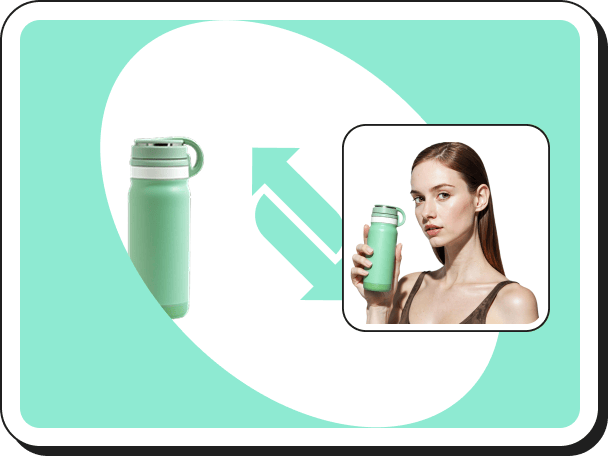
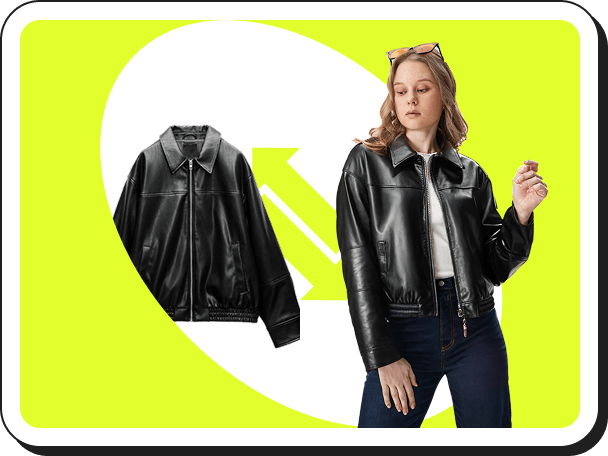
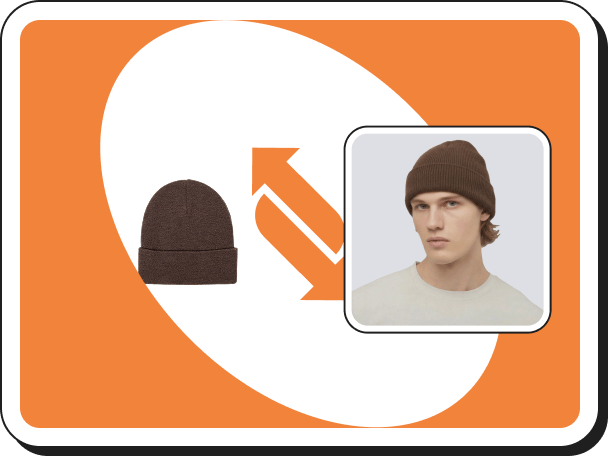
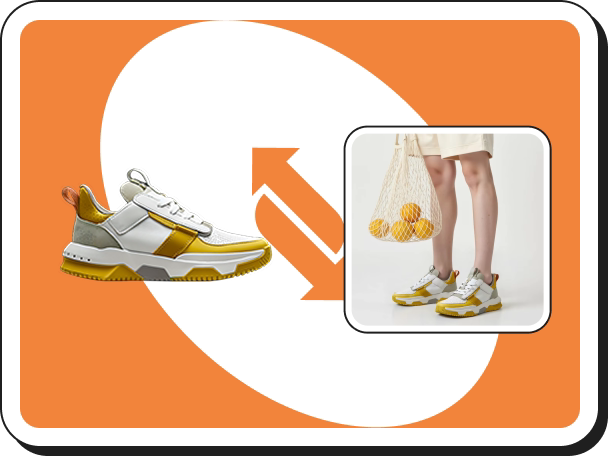
There are too many new things. There are too many differences. There are too many ideas that need to be tried out quickly. Traditional fashion photography fails under this pressure because it treats all products the same. That assumption is gone with Piccopilot. With Piccopilot, sellers can make AI-powered fashion product images from simple inputs like flat lays, supplier images, or basic product shots. They don't have to hire models or book studios. This lets sellers quickly put products online, see how much demand there is, and get signals—without spending a lot of money on photography for products that might never sell. - No models, no times, no scales
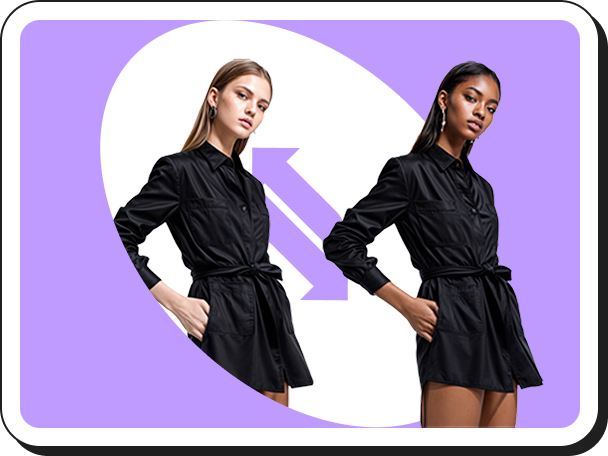
A lot of sellers look for "clothing photography without models" because it's just not practical to hire models for every SKU. Piccopilot uses AI fashion models to deal with this directly. Sellers can show off clothes on realistic, consistent virtual models, which keeps things professional without the hassle of traditional photoshoots. - Slow iteration and creative roadblocks
Creative friction is another hidden cost of traditional photography.
Every change means having to shoot again. It costs money to do every experiment. Piccopilot gets rid of this problem. Sellers can try out different styles, backgrounds, poses, and presentations without worry because visuals can be made again quickly. Creativity is able to change again.
Conslusion
Fashion photography isn't going out of style.
The notion that every product merits equivalent visual investment from the outset is becoming obsolete. In today's world of online shopping, getting tools or finding people to work with is no longer a problem. It's time to make a choice. Sellers have to move faster, try out more ideas, and handle a lot more SKUs than they ever have before. It is no longer possible to use traditional photography as a default response to uncertainty. This article was never meant to make you stop taking pictures of fashion.
It was about showing you how to use it at the right time, for the right products, and for the right reasons.
Piccopilot and other AI tools do not take the place of professional photography. They keep it safe. By taking on uncertainty early, they let sellers put off making big investments until they can see that those investments will pay off. That one change can make a big difference in cash flow, creative freedom, and the sanity of your business. In 2025, the smartest sellers won't have to choose between AI and photography.
They are making workflows that let each tool do what it does best. AI takes care of speed, testing, and uncertainty. Fashion photography deals with trust, perception, and size. When used this way, photography doesn't lose its value; it gets more accurate.